

By using our website, you agree to the use of cookies as described in our Cookie Policy
Where to See Wildlife Near Your Flagstaff Vacation Rental
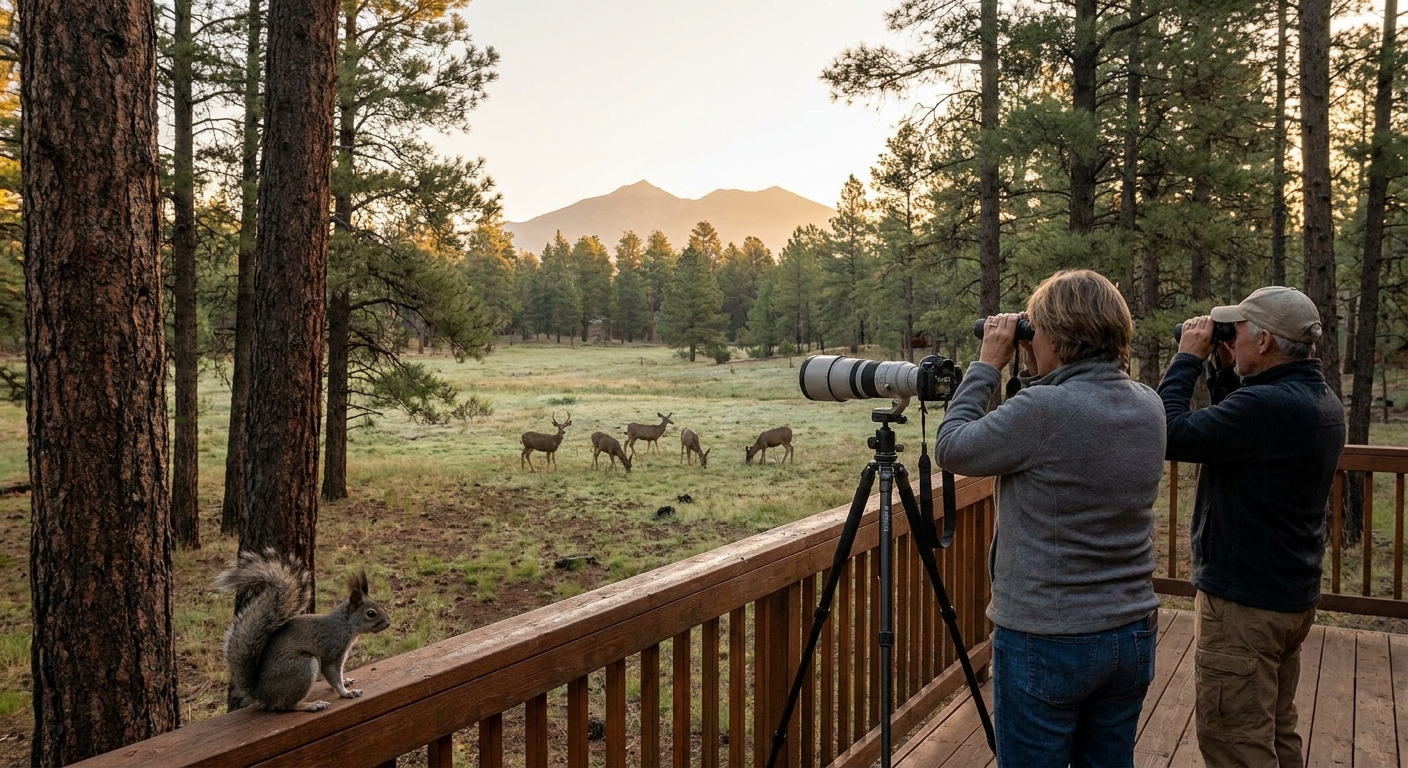
Most visitors think Flagstaff is just about the peaks and the pines. Mountains up, trails down. But the high country holds more than that—and if you're not looking, you're missing half the show. Wildlife doesn't wait for perfect conditions or guided tours. It shows up early, moves fast, and rewards those who know where to point their eyes. Especially if you're staying close enough to act when the light's right.
So here's the reality. If you're renting a place up here to experience something real, that's smart. Just don't treat the forest like a backdrop. Every trailhead has potential. Every meadow holds movement. And every sighting depends on timing, preparation, and knowing which spots actually deliver—not just which ones look good on a map.
Open Grasslands With Big Views
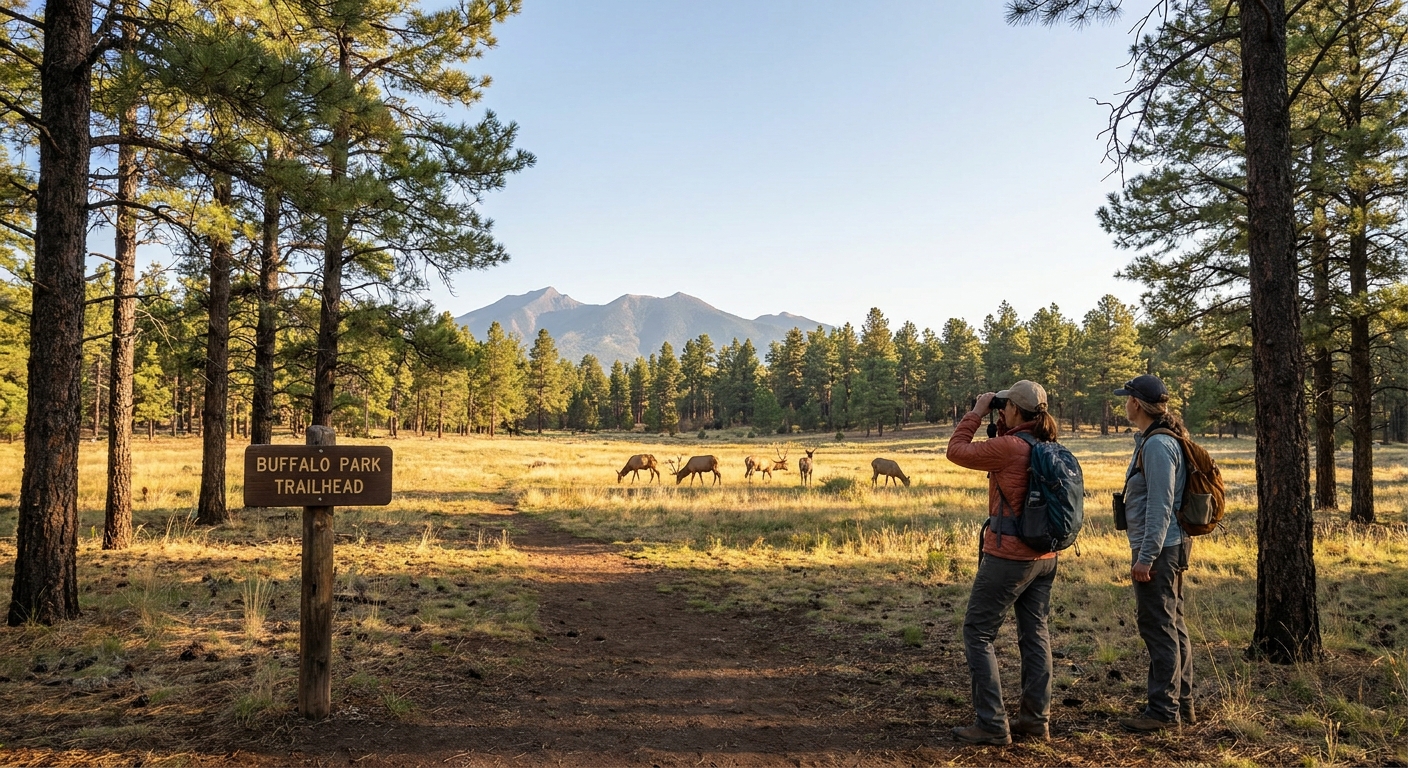
Buffalo Park sits just outside downtown, and it doesn't waste your time. Two hundred acres of rolling terrain, wide-open sightlines, and a loop trail that puts you right where the action happens. This isn't a zoo. Animals move through on their own schedule, and if you show up mid-afternoon expecting a parade, you'll be disappointed.
Early morning is when mule deer graze without concern. Evenings bring coyotes, red-tailed hawks circling overhead, and songbirds that don't bother hiding. Binoculars help. Patience helps more. The meadows here are predictable in the best way—consistent habitat means consistent visitors, and we've seen everything from bluebirds to foxes without leaving the main path.
Canyon Walls That Hold More Than History
Walnut Canyon isn't just cliff dwellings and ancient stonework. The riparian zones down below create microclimates that pull in species you won't find on the plateau. Rock squirrels, Abert's squirrels with those ridiculous ear tufts, lizards soaking up heat on exposed sandstone—it's all there if you're willing to descend.
The Island Trail drops you into the canyon itself, where canyon wrens echo off the walls and peregrine falcons nest on high ledges. Golden eagles show up less often, but when they do, it's worth the wait. This spot rewards those who move slowly and scan constantly. Miss the movement, miss the moment.
High Elevation Means Different Players
The San Francisco Peaks shift the roster entirely. You're talking alpine meadows, cooler temps, and animals that thrive where most species bail out. Elk move through the clearings like they own the place—because they do. Marmots lounge on boulders. Black bears stay hidden but leave signs everywhere if you know what to look for.
Summer is your window here. Take the chairlift at Arizona Snowbowl or hike one of the hiking trails near Flagstaff, and you'll cover ground fast while staying above the heat. Clark's nutcrackers and Steller's jays are loud and fearless. Elk are more cautious but predictable near dawn. This elevation filters out casual visitors, which means more space and better odds for those who commit.
Wetlands That Pull In the Rare Ones
Picture Canyon doesn't advertise itself, and that's part of the appeal. Tucked on Flagstaff's east side, this preserve runs along the Rio de Flag and creates pockets of water that act like magnets. Great blue herons, belted kingfishers, migratory songbirds—they all stop here because the habitat delivers what they need.
Mule deer wander through at dusk. Raccoons work the water's edge. Butterflies flood the area in warmer months, and the interpretive trails keep foot traffic light. It's not dramatic terrain, but it's productive. We've logged more species here per hour than anywhere else in the region, and the ancient petroglyphs are a bonus when the wildlife slows down.
What You'll Actually See
- Mule deer grazing in open meadows, especially at Buffalo Park and Picture Canyon
- Elk herds moving through alpine zones near the San Francisco Peaks
- Abert's squirrels with their distinctive tufted ears in ponderosa forests
- Red-tailed hawks and golden eagles circling canyon thermals
- Coyotes trotting through grasslands during early morning or late evening hours
Best Times to Show Up
- Dawn and dusk for deer, elk, and predators actively feeding or moving
- Mid-morning for raptors using thermal currents to hunt
- Summer months for high-elevation species like marmots and alpine birds
- Spring and fall for migratory songbirds passing through riparian zones
- Avoid midday heat when most animals retreat to shade and cover
Gear That Actually Matters
- Binoculars with at least 8x magnification for distance viewing
- Camera with a zoom lens if you want proof without crowding the animal
- Layered clothing for elevation changes and sudden weather shifts
- Water and snacks, because waiting out wildlife takes longer than you think
- Field guide or app to identify species on the spot
What Ruins the Experience
- Approaching animals too closely or attempting to feed them
- Letting dogs off-leash or allowing them to chase wildlife
- Making excessive noise that spooks animals before you get close
- Straying off designated trails and damaging sensitive habitats
- Showing up unprepared and expecting instant results
The Forest Beyond the Highlights
Coconino National Forest wraps around Flagstaff like a safety net, and it's where the volume really picks up. Nearly two million acres means you can hike, bike, or just park and watch without stepping on someone else's experience. Elk, mule deer, wild turkeys—they're all here in numbers that make the popular spots look sparse.
Ponderosa stands transition into aspen groves depending on elevation, and each zone supports different species. Ranger-led programs exist if you want structure, but the best encounters happen when you move on your own schedule and trust your instincts. This isn't about checking boxes. It's about putting in the hours where the habitat makes sense.
Rules That Keep It Working
- Maintain distance—use optics instead of closing the gap
- Never feed wildlife or leave food unattended
- Stay on trails to protect both animals and their environment
- Keep pets leashed and under control at all times
- Lower your voice and move deliberately to avoid spooking animals
Stop Waiting for Perfect Conditions
Flagstaff doesn't hand you wildlife on a platter. The high country demands effort, timing, and a willingness to adapt when conditions shift. But the payoff is real. Elk bugling at dawn, hawks riding thermals over canyon walls, marmots sunning themselves on alpine rock—it's all within reach of your Flagstaff vacation rental if you're ready to move.
We've guided enough visitors through these spots to know what separates those who see something from those who see everything. It's not luck. It's preparation meeting opportunity, and it's refusing to treat the forest like a drive-through. For those planning a relaxing weekend getaway or exploring outdoor activities near Flagstaff, you'll find that understanding the best time to visit Arizona and taking advantage of family-friendly things to do will enhance your wildlife viewing experience. Flagstaff's wildlife is here—you just have to show up when it matters and stay quiet long enough to let it happen.
Ready to Experience Flagstaff’s Wild Side?
We know the best moments in Flagstaff happen when you’re close to nature and ready to catch the action as it unfolds. If you want a vacation rental that puts you right where the wildlife is, let’s make it happen together. Call us at 928-522-8228 or get in touch and we’ll help you find the perfect spot for your next adventure.
‹ Back
Recent Posts
-
What Makes Fall a Great Time for Flagstaff Vacation Rentals?
August 13, 2026
-
-
-
-